Skincare5 min readUpdated
Damaged Skin Barrier: Signs and How to Repair It
The signs of a damaged skin barrier, what causes it, a five-step repair routine with the right ingredients, how long healing takes and when to see a dermatology provider.

How we write and check our articles
If you only read one thing
A damaged skin barrier causes stinging, burning, redness, tightness, flaking and new breakouts, usually from over-exfoliating, too many actives, harsh cleansers, hot water or dry air. To repair it, stop the irritants, use a gentle fragrance-free cleanser, a moisturizer with ceramides, cholesterol and fatty acids, and daily sunscreen, then reintroduce actives slowly. Mild damage usually settles in two to four weeks.
- The skin barrier keeps water in and irritants out.
- Stinging, redness, tightness and flaking are common signs of damage.
- Over-exfoliation and too many actives are the usual causes.
- Pause retinoids, acids and scrubs while you repair.
- Use a gentle cleanser, a ceramide moisturizer and sunscreen.
- Mild damage usually settles in two to four weeks.
- See a dermatology provider if it does not improve.
On this page 8 sections
A damaged skin barrier shows up as skin that suddenly stings, burns or turns red with products it used to tolerate, along with tightness, flaking, rough patches and breakouts. It usually comes from doing too much: over-exfoliating, layering strong actives such as retinoids and acids, harsh cleansers, hot water or dry winter air. To repair it, stop the irritants, simplify your routine to a gentle cleanser, a moisturizer with barrier lipids such as ceramides, and a gentle sunscreen, then reintroduce actives slowly once your skin is calm. Mild barrier damage usually improves within a few weeks. If it does not, or you have eczema or rosacea, see a dermatology provider.
This guide explains what the skin barrier is, the signs it is damaged, what causes it, a step-by-step repair plan and when professional help makes sense.
What is the skin barrier?
The skin barrier is the outermost layer of your skin, the stratum corneum. It is often described as a brick wall: flattened skin cells are the bricks, and a mix of fats called lipids, mainly ceramides, cholesterol and fatty acids, is the mortar between them. This wall keeps water in and keeps irritants, allergens and microbes out. When the mortar is stripped away, water escapes, the skin dries out, and ingredients that used to be fine start to sting.
Signs of a damaged skin barrier
- Stinging or burningEven gentle products or plain moisturizer sting on application.
- Redness and sensitivitySkin flushes easily or stays pink and reactive.
- Tightness and drynessSkin feels tight after washing and dry soon after moisturizing.
- Flaking or rough patchesDry, scaly areas, often around the nose, mouth or cheeks.
- Shiny but tightA taut, almost glassy look, a common sign of over-exfoliation.
- New breakouts or bumpsSmall red bumps or breakouts that do not behave like your usual acne.
What damages the skin barrier?
| Cause | Examples |
|---|---|
| Over-exfoliation | Daily scrubs, cleansing brushes, frequent acid toners or peels |
| Too many actives | Retinol or tretinoin combined with AHAs, BHAs, vitamin C or benzoyl peroxide, or starting them too fast |
| Harsh cleansing | Foaming or high-pH cleansers, washing too often, hot water |
| Environment | Cold, dry air, indoor heating, wind and sun |
| Fragrance and alcohol | Fragranced products and drying alcohols in toners |
| Skin conditions | Eczema, rosacea and psoriasis weaken the barrier |
| Recent treatments | Peels, lasers or microneedling before the skin has healed |
How to repair your skin barrier, step by step
1. Stop the irritants
Pause retinoids, acids, scrubs, vitamin C, benzoyl peroxide and anything fragranced until your skin stops stinging. If a dermatology provider prescribed a product for a condition, ask before stopping it.
2. Cleanse gently
Use a mild, fragrance-free, non-foaming cleanser with lukewarm water, once a day or twice if needed, and pat dry. Dermatologists suggest keeping showers to five to ten minutes.
3. Moisturize with barrier ingredients
Apply a fragrance-free cream while your skin is still damp. Look for ceramides, cholesterol and fatty acids, which replace the barrier’s own lipids, plus humectants such as glycerin and hyaluronic acid and soothing ingredients such as niacinamide or panthenol. On very dry areas, a thin layer of petrolatum at night seals in moisture. Creams and ointments do more than light lotions.
4. Protect from the sun
Wear a broad-spectrum sunscreen every day. Mineral sunscreens with zinc oxide or titanium dioxide are usually the least irritating; see sunscreen ingredients.
5. Reintroduce actives slowly
Once your skin has felt calm for a week or two, bring back one active at a time, a couple of nights a week, and build up. Apply retinoids over moisturizer if they sting. See what to look for in a retinol cream.
How long does it take to repair a skin barrier?
Mild damage from over-exfoliation usually settles within two to four weeks once the irritants stop. Deeper or longstanding damage, or a barrier weakened by eczema or rosacea, can take longer and often needs treatment of the underlying condition. Stinging is usually the first thing to improve, followed by redness and texture.
See a dermatology provider if your skin has not improved after two to three weeks of a gentle routine, if you have oozing, crusting or painful patches, if a rash is spreading, or if you think you have eczema, rosacea or an allergy to a product.
Professional help for a damaged barrier
A medical dermatology visit can find what is behind persistent sensitivity, such as eczema, rosacea, perioral dermatitis or contact allergy, and treat it with prescription treatment where needed. Peels, lasers and microneedling are best held until your barrier has recovered. If flushing is your main concern, see what causes facial flushing; if you use acne actives, see benzoyl peroxide vs salicylic acid.
Visit
Dermatology$150 – $375
Facial
Signature, 50 min$175
Once your skin is calm, a gentle, tailored Signature Facial can help maintain it. New clients save 15% on their first facial.
Skin care help in Carlsbad
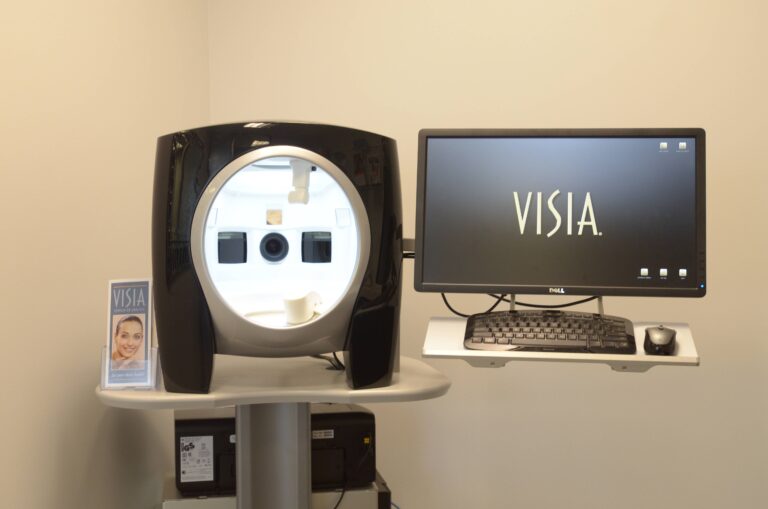
Our dermatology team can examine your skin, often with VISIA imaging, and build a simple routine that repairs your barrier and treats any underlying condition. Book a visit at our studio on El Camino Real in South Carlsbad.
Frequently asked questions
How do I know if my skin barrier is damaged?
Products sting or burn, and skin feels tight, red, flaky or rough, sometimes with new breakouts.
How long does it take to repair a skin barrier?
Mild damage usually settles in two to four weeks once irritants stop.
What ingredients repair the skin barrier?
Ceramides, cholesterol and fatty acids, plus glycerin, hyaluronic acid, niacinamide, panthenol and petrolatum.
Should I stop using retinol if my skin barrier is damaged?
Yes, pause it until your skin is calm, then reintroduce it slowly.
Can a damaged skin barrier cause acne?
It can trigger breakouts and small red bumps.
When should I see a dermatologist?
If there is no improvement after two to three weeks, or you have oozing, crusting, a spreading rash or suspected eczema or rosacea.
Sources
Insiyah Darugar
Insiyah Darugar, MSN, FNP is the founder and CEO of Glow Theory Aesthetic & Dermatology Studio in Carlsbad. She brings more than 15 years of hands-on experience in dermatology and aesthetics and completed the Dermatology Nurse Practitioner Fellowship at Lahey Hospital & Medical Center, a…